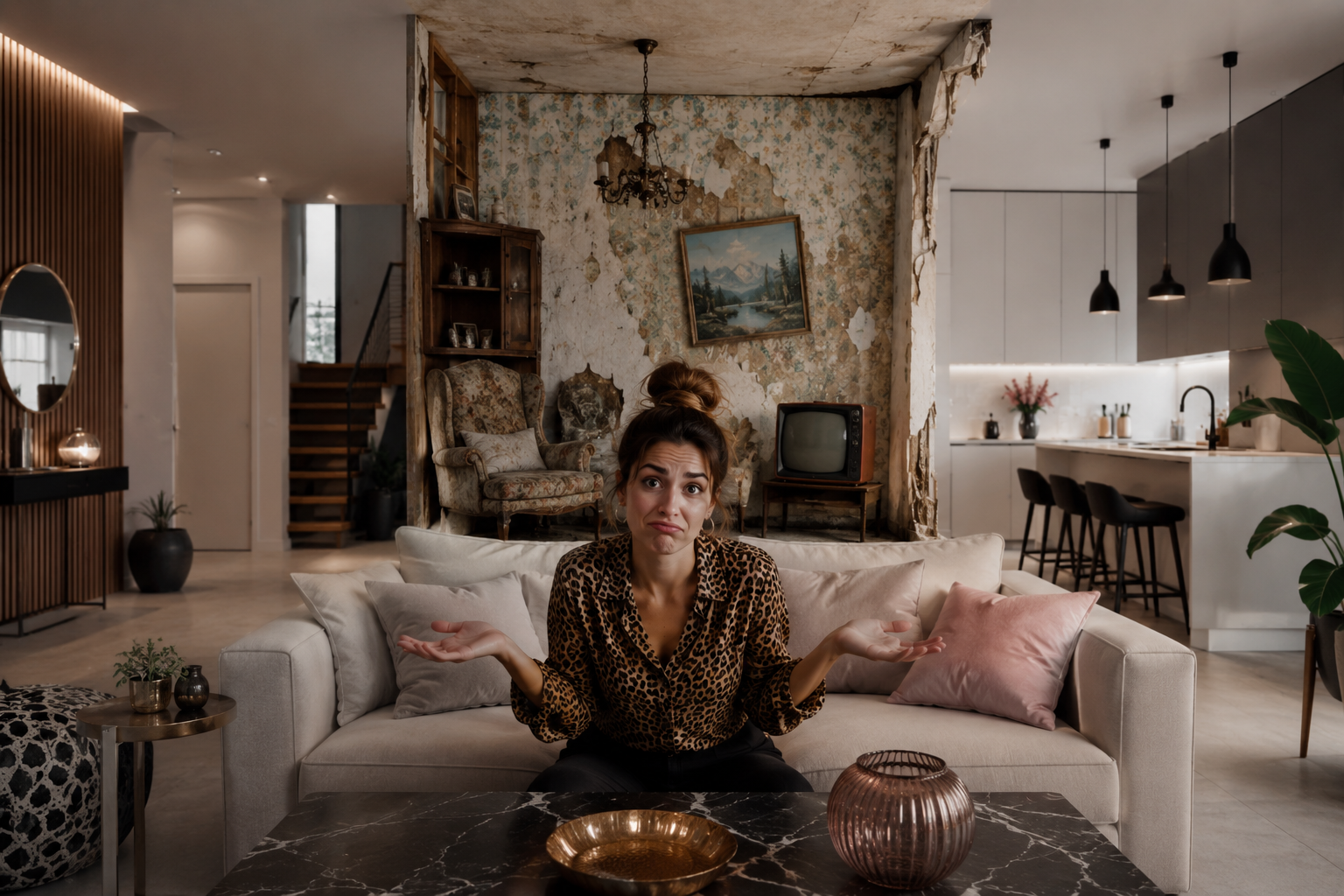
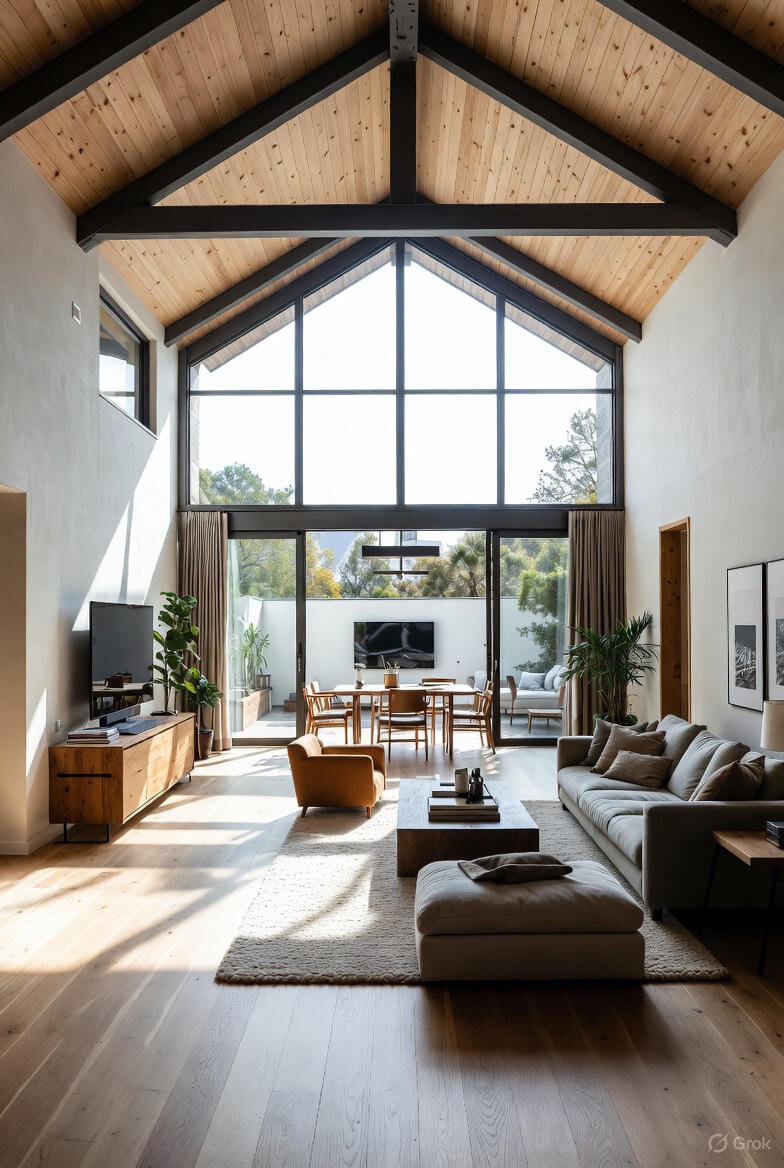
The open space is a bit like gourmet pizza: everyone talks about it, many want it, few really know how to manage it.
On paper, it’s the ultimate modern dream: light, air, fluid spaces, conviviality, freedom.
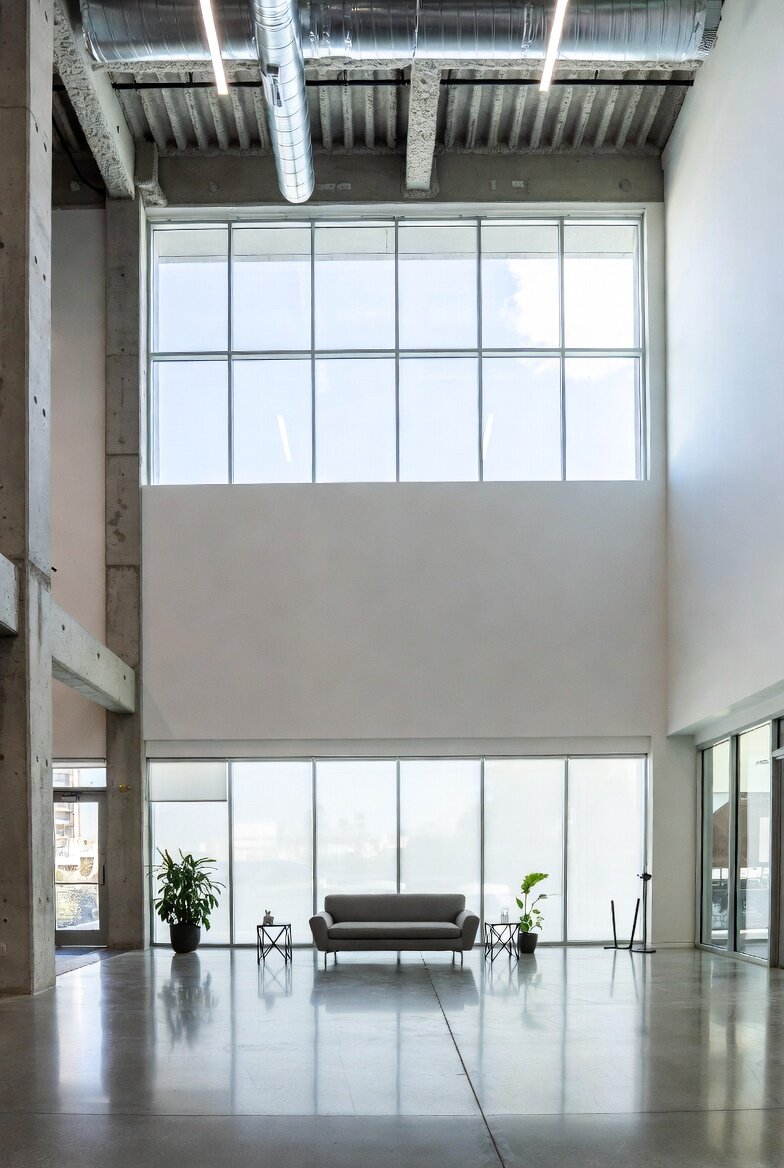
In reality, if poorly designed, it risks turning into an airport hangar with a sofa in the middle, where the echo answers before people do.
In this article we want to clarify, without idolizing or demonizing open space, but explaining when it really works, when it doesn’t, and above all how to design an open space that remains human, warm, and livable. With irony, of course, but also with plenty of substance.
Why open space is so popular (and it’s not just Instagram’s fault)
Open space arises from real needs, not a passing trend.
Combining kitchen, living room, and dining area allows you to:
- make better use of natural light
- eliminate useless corridors
- make rooms airier
- encourage conviviality
- give a feeling of a “bigger” home
The problem is that often the concept is applied without criteria, as if knocking down two walls were enough to achieve a magazine-worthy result.
Spoiler: it’s not.
The hangar effect: what it is and why it happens
The hangar effect is that feeling of a huge, cold, dispersive space, where:
- sounds bounce like in a gym
- the table seems lost in the void
- the sofa looks sad and disoriented
- everything is “open,” but nothing is defined
This happens when there is a lack of design, not space.
A well-done open space is not an empty space:
it is an organized space, even if not divided by walls.
Open space ≠ space without rules
The first mistake is to think that open space means total freedom.
In reality, the more open a space is, the more it needs rules.
Visual, functional, proportional rules.
Each area must have:
- a clear function
- its own identity
- its own balance with the others
If kitchen, dining, and living areas are stepping on each other’s toes, the problem is not the open space.
It’s the lack of design.
Zoning without walls: the invisible art of a successful open space
The key word is zoning.
To separate does not mean to close.
It means to distinguish.
1. The floor: the separator that makes no noise
Using different materials (or different patterns) is one of the most effective tricks:
- parquet in the living area
- stoneware in the kitchen
- cement tiles in the dining area
Even a simple change in pattern or format can define spaces without interrupting continuity.
2. Lighting: each area its own light
An open space lit by a single central light point is the first step towards the hangar.
Each area must have its own dedicated lighting:
- functional light in the kitchen
- warmer light in the living area
- scenic pendant over the table
Light is not just for seeing:
it’s for telling the story of the space.
3. Furnishings: the real walls of the open space
Sofas, bookcases, islands, sideboards:
if well positioned, separate better than a wall.
An open bookcase, for example:
- divides without closing
- filters the light
- adds character
- avoids the “everything lined up against the wall” effect
Watch out for proportions: the space must be filled (intelligently)
A large space should not be left empty on principle.
It must be balanced.
Too empty = coldness
Too full = chaos
A well-designed open space is like a successful conversation:
- no one talks too much
- no one stays silent
- everything flows
The topic of acoustics: the great forgotten
Another glaring mistake: ignoring sound.
Open space + hard surfaces = guaranteed echo.
Smart solutions:
- rugs (yes, even large ones)
- heavy curtains
- disguised sound-absorbing panels
- upholstered furniture
- full bookcases (books absorb more than you think)
A house that echoes is not modern.
It’s just noisy.
Open kitchen: beautiful, but it needs to be thought out
The open kitchen is fantastic…
until you fry.
If you choose an open kitchen:
- invest in a serious hood
- take care of the aesthetics of the appliances
- think about the workspace
- consider semi-hidden solutions (island, peninsula, light partitions)
The kitchen is the star, not a messy backstage.
Open space and real life: children, smart working, chaos
The open space must be designed for the life of those who live in it, not for a render.
If you work from home: you need a more secluded area
If you have children: you need flexible spaces
If you love silence: you need visual and acoustic filters
The perfect open space is not the biggest one.
It’s the most suitable one.
When it is NOT worth making an open space
Yes, we say it clearly: it’s not mandatory.
Better to avoid if:
- the apartment is very long and narrow
- natural light comes from only one side
- the systems make everything unnatural
- you risk losing too much storage
Sometimes an extra wall makes the house more livable, not less modern.
The real secret: design before demolishing
The wall knocked down out of enthusiasm is the number one enemy of a successful open space.
First you design:
- layout
- furnishings
- systems
- lighting
- volumes
Then, and only then, you demolish.
Open space yes, but designed as a home (not as a warehouse)
A well-designed open space is welcoming, functional, balanced, and still beautiful after ten years.
An improvised open space is just a big empty space that quickly becomes tiring.
At Gruppo Impianti Ristrutturazioni we always say:
true modernity is not about randomly removing walls,
but building spaces that really work for those who live in them.
And if the idea of living in a hangar doesn’t excite you…
maybe it’s the right time to design with criteria.